
First ELVA Programme — Autumn 2026
Operational Sustainability & AI for Industrial Systems
A one-year higher vocational programme (YH) built for professionals who want to work at the intersection of sustainability, data, and AI — starting in Skellefteå, Autumn 2026.
Applications still open, reviewed on a rolling basis.
Questions? Connect on LinkedIn with David Eriksson.
Apply →What this programme is
This isn't a course about sustainability. Or about AI.
It's about what you do with both — on the job, under pressure, with real consequences.
Most training tells you what to know. This programme trains you on what to do. You bring your professional experience. We build a learning environment around it — one where the problems are real, the expectations are high, and the feedback is direct.
By the end of the year, you'll be able to:
- Apply sustainability requirements directly in your operational workflows
- Work confidently with sustainability data and risk analysis
- Use AI tools responsibly — and know when not to
- Identify and drive improvements in your own role
This is practical competence that makes you better at what you already do.
Programme structure
Level
SeQF level 5
Format
Full-time, in person — Skellefteå, Sweden
Duration
One year, Autumn 2026
Credits
Two parallel courses — 90 YH credits each
Part 1
Operational Sustainability in Industrial Systems
You don't need to become a sustainability consultant. You need to understand what sustainability requirements actually mean for your role — and what to do about them.
You'll work with:
- CSRD, ESRS and CSDDD — what they require of you, not just your company
- Value-chain risk and materiality analysis
- Collecting, verifying, and using sustainability data
- Due diligence processes and how to follow through
- Resource efficiency and circular workflows
- Communicating requirements across your organisation
The focus is implementation. Not theory.
Part 2
Applied AI in Industrial Workflows
AI tools are already changing how industrial work gets done. This course teaches you to use them well — and to recognise when human judgment matters more than any algorithm.
You'll work with:
- AI-supported decision tools in industrial contexts
- Identifying where AI can genuinely help — and where it can't
- Hands-on use of AI tools in real workflow situations
- Data quality, risk, and the limits of AI outputs
- Human-in-the-loop responsibility — when to override, when to trust
- Using AI to identify and implement workflow improvements
You won't leave here knowing how to build AI. You'll leave knowing how to use it.
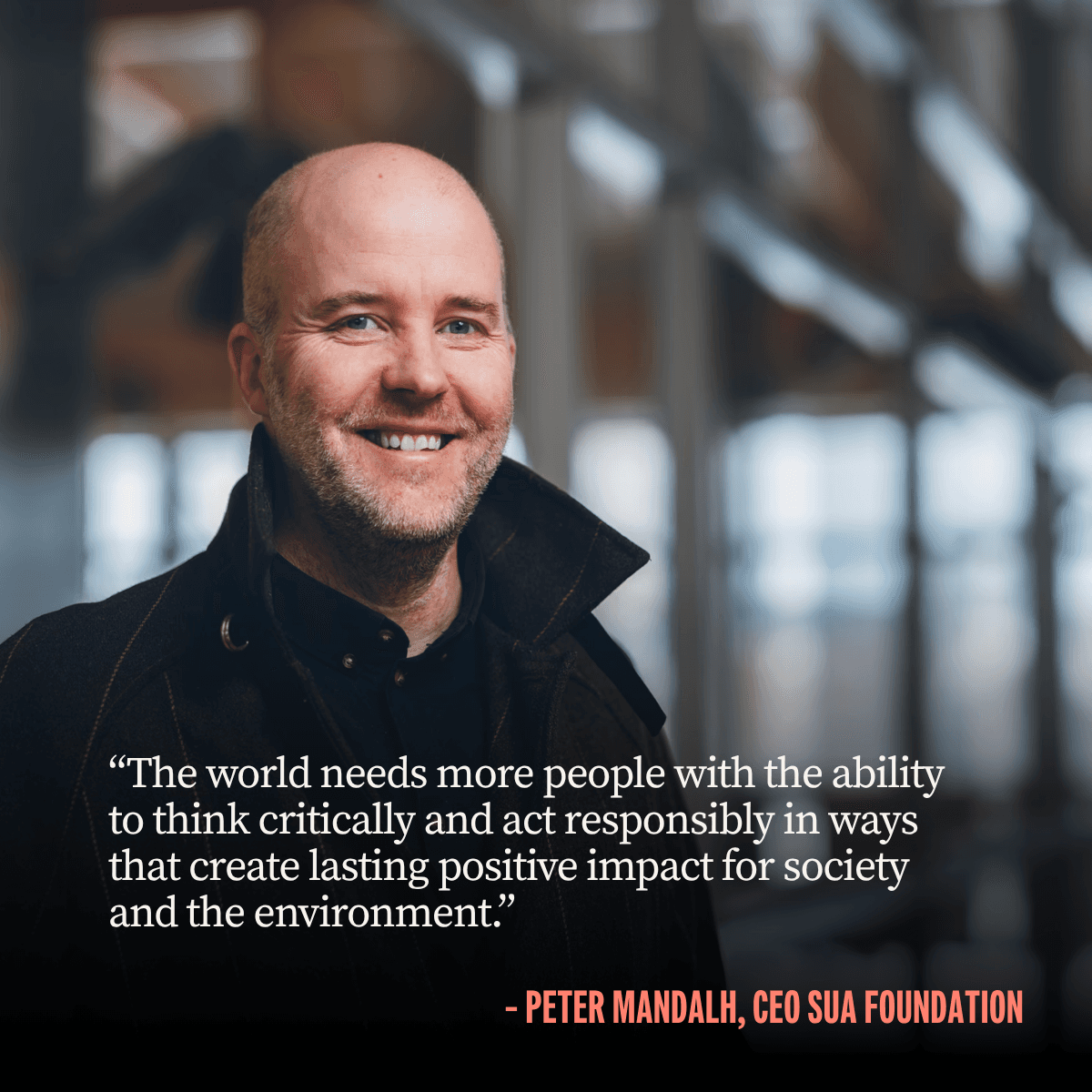
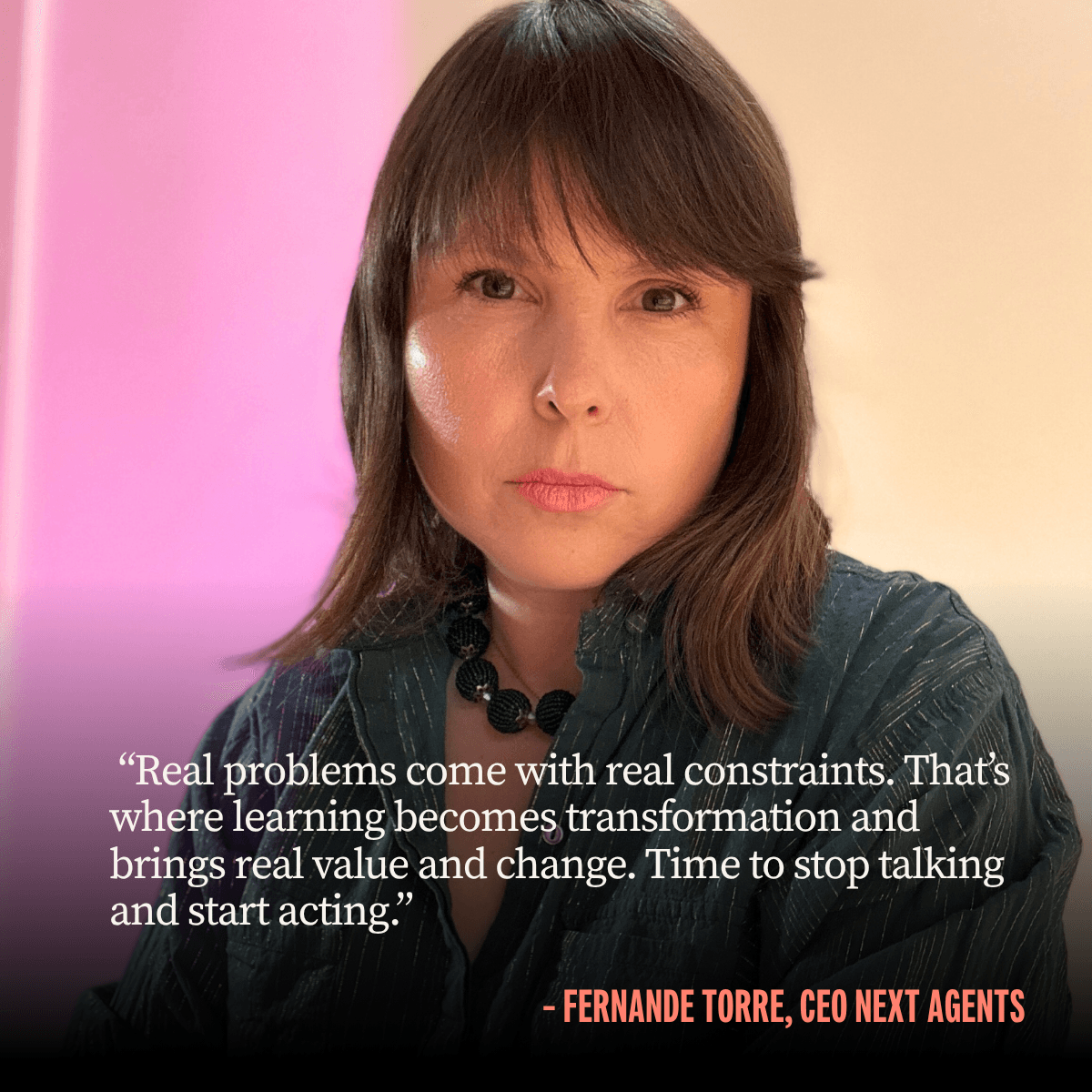
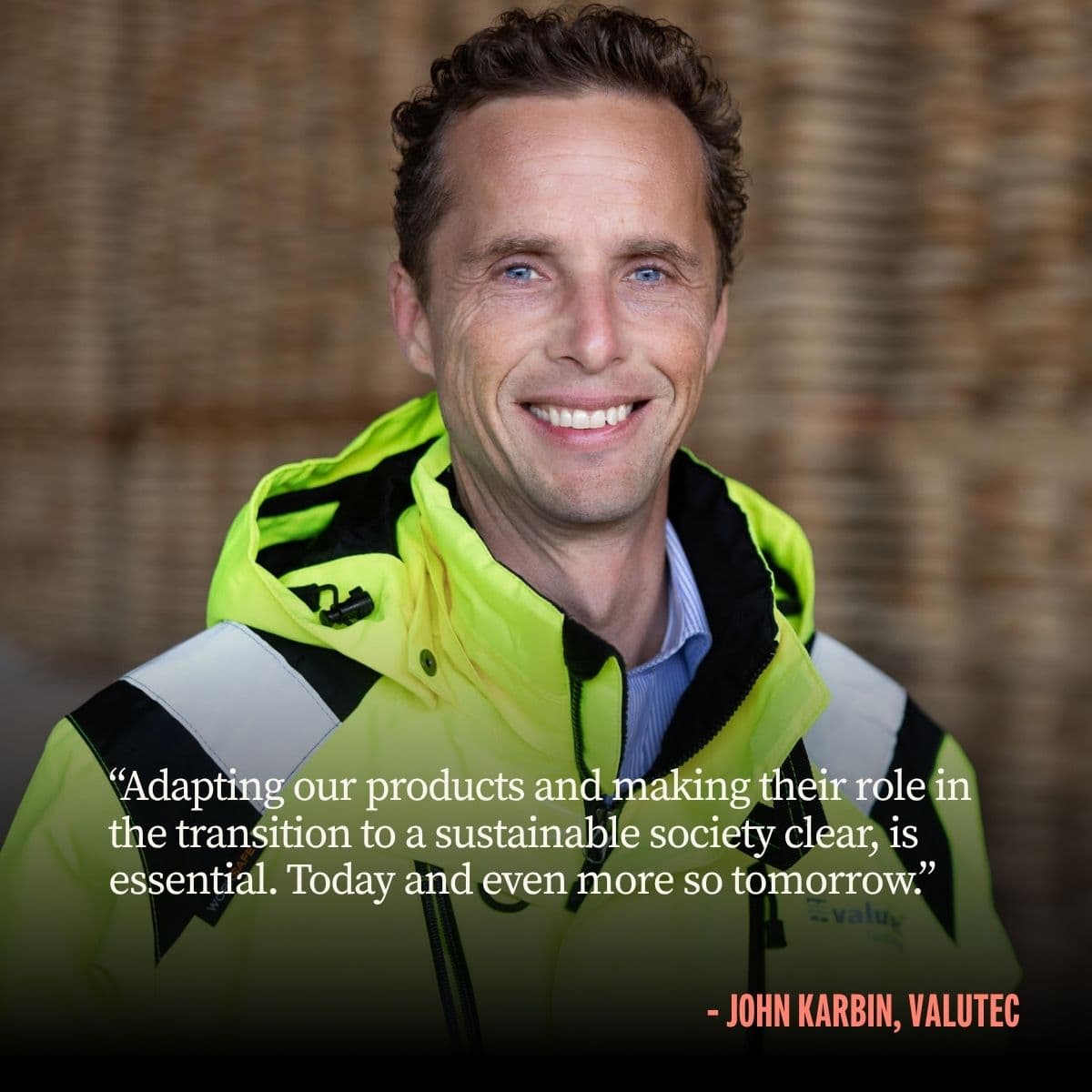
Voices from the field


How the courses work together
The first course gives you a rigorous grounding in sustainability requirements and the operational structures around them. The second builds your ability to improve those structures using AI.
Together, they develop something increasingly rare in industry: professionals who can move from regulatory requirement to operational improvement — using data, judgment, and the right tools.
You'll graduate able to:
- Work fluently with sustainability data and regulatory requirements
- Spot where processes can be improved and act on it
- Use AI tools to support better, faster decisions
- Implement change in the workflows you own

Who can apply?
This programme is for people who already know how things work.
You have real experience in an industrial or system-intensive environment. You've seen where the friction is. Now you want the competence to do something about it.
Relevant backgrounds include:
- Production or operations
- Procurement or sourcing
- Quality or environmental roles
- Logistics or supply chain
- Business control or data analysis
- Process or workflow improvement
This is not an entry-level programme. You bring the experience. We build on it.
Where this takes you
When you complete the programme, you'll be equipped for roles that sit at the intersection of sustainability, data, and operations — the places where most organisations are struggling right now.
That includes roles in:
- Sustainability coordination
- Procurement and responsible sourcing
- Quality and environmental management
- Operational control and data analysis
- Logistics and supply chain operations
- Production and process improvement
Organisations hiring for these roles need people who can do the work. Not just talk about it. That's what this programme prepares you for.
Learning approach
This is how learning works at ELVA. It's probably not what you're used to.
Short cycles. High expectations. Applied work.
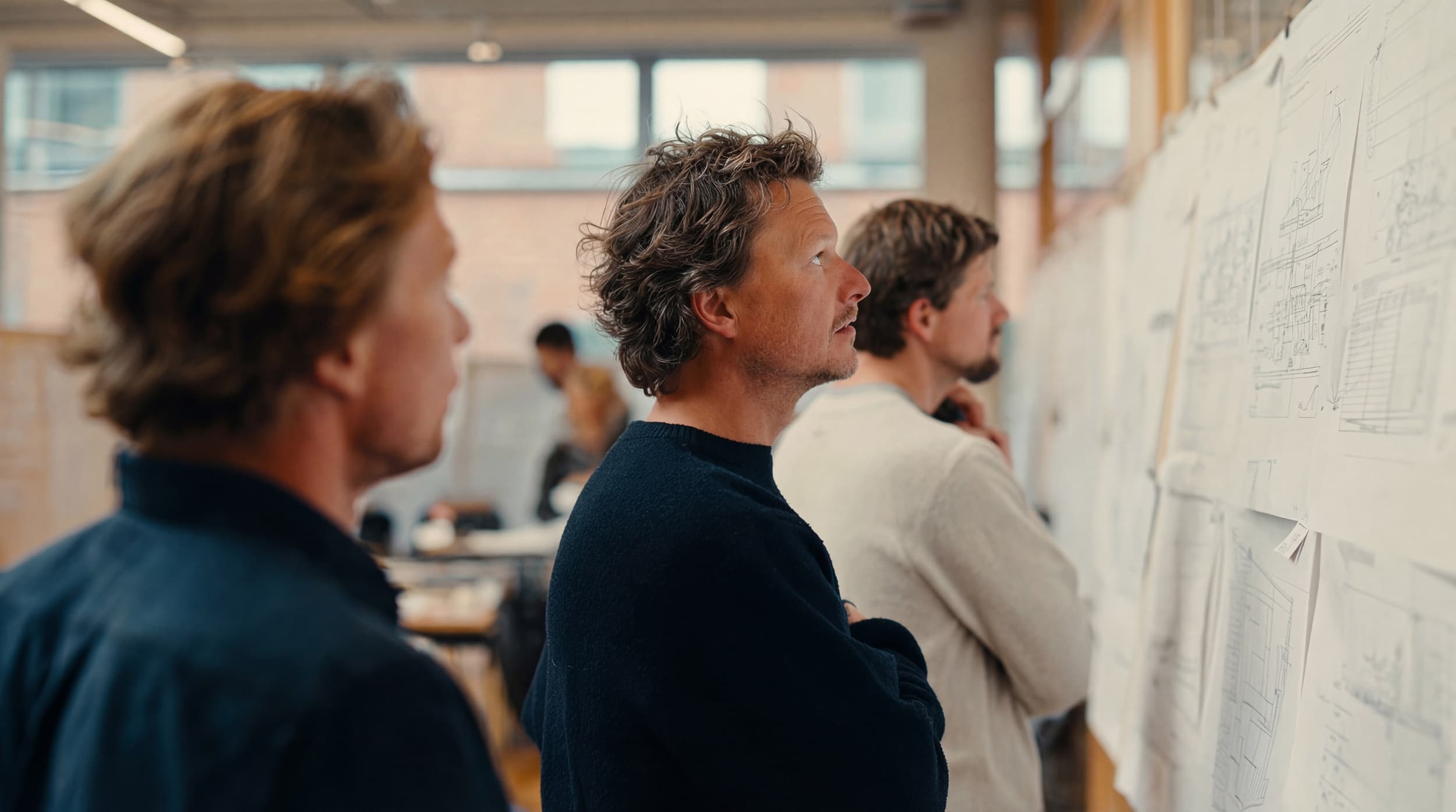
You won't sit through lectures about what other people did. Every week, you'll work on real cases brought in by industry professionals — people with stakes in the outcome, not just the curriculum.
You'll be expected to think, decide, and act on ambiguous problems with incomplete information. That's not a flaw in the design. That's the design.
By the end of the year, you'll be able to:
- Translate regulatory requirements directly into operational practice
- Analyse data and identify where improvements are possible
- Assess risks and know how to respond to them
- Make the call when human judgment matters more than the AI output
At ELVA, you learn by doing. The feedback is direct. And you leave with the evidence to prove what you can do.
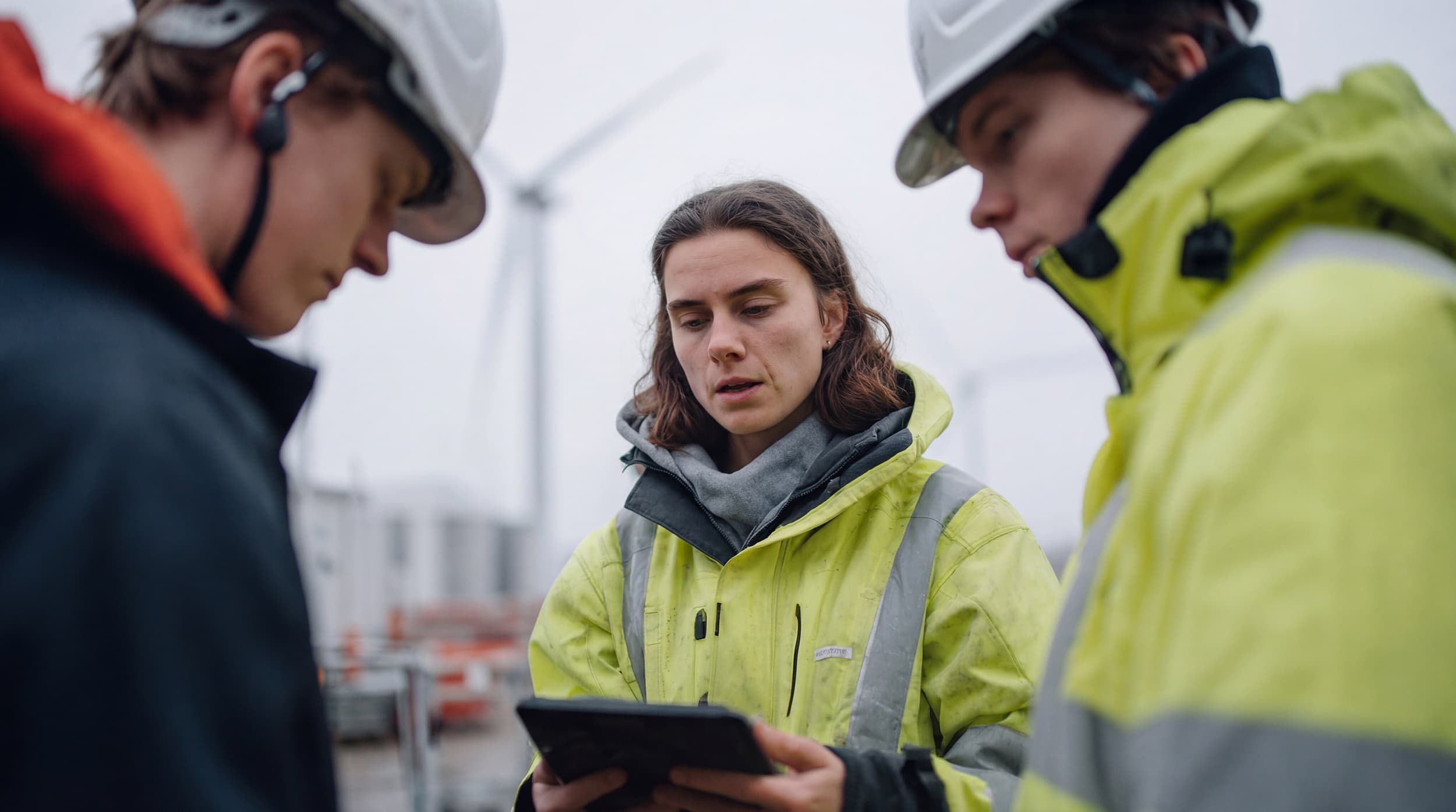
Skellefteå. Full-time. Autumn 2026.
This programme runs in person at Campus Skellefteå — where you'll work alongside other experienced professionals in an environment built for learning and doing.
Location
Skellefteå, Sweden
Format
Full-time, on site
Duration
One year
Start
Autumn 2026
Applications
Still open, reviewed on a rolling basis
The programme is offered by Skellefteå Municipality Adult Education, using the ELVA learning model developed by SUA Foundation.
ELVA has no tuition fees. This follows the Swedish model of publicly funded education. Participants who are eligible can apply for financial support through CSN (the Swedish Board of Student Finance), which provides student grants and loans to help cover living costs during the programme.
Ready to find out if this is for you?
Questions about the programme? Connect on LinkedIn with Olof Gränström — he's happy to help.